
MOQ for Custom Stainless Fabrication
Minimum order quantities puzzle buyers of custom stainless parts. Learn what drives MOQ, how setup and yield shape it, and when a smaller batch is realistic.
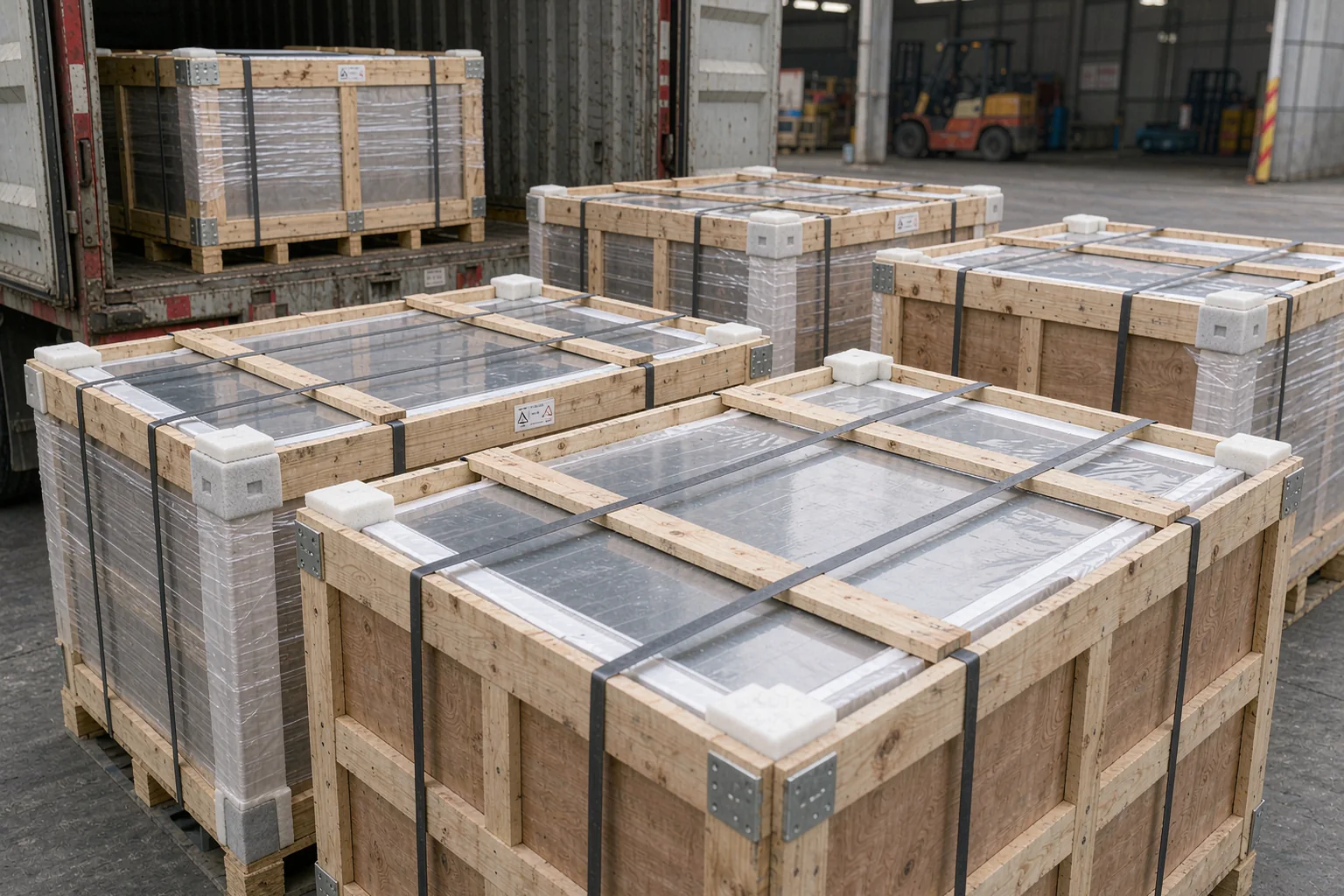
What MOQ actually means in fabrication
Minimum order quantity, or MOQ, is the smallest batch a supplier can produce economically, not an arbitrary hurdle. In custom stainless fabrication the number is driven by three things: machine setup, material yield and inspection effort. A display cabinet with welded seams and mirror polishing consumes far more setup than a flat laser-cut panel, so its MOQ is naturally higher even if both use the same grade. Buyers sometimes read MOQ as a way to push volume, but it is usually a calculation of how many pieces are needed to absorb fixed costs. It is a calculation of how many pieces absorb fixed costs. Understanding that logic helps you decide whether to accept the quantity, adjust the design or combine several parts into one run. Ask the supplier to explain what each fixed cost is rather than negotiating the number alone. A clear breakdown turns a frustrating constraint into a planning tool.
Setup costs and tooling behind the number
Setup costs explain most of the gap between a prototype price and a production price. Laser cutting needs a program and a nesting layout; bending needs the right punch and die plus a first-article check; welding needs jigs that hold geometry consistent. Coloured and PVD-coated sheets carry an additional penalty because each colour change requires the line to be cleaned and the chamber to be purged. That is why a small batch in a standard brushed 304 finish is easier to accept than the same batch in a custom titanium colour. When you request a quote, state the finish and colour upfront so the supplier can quote the realistic setup. If your design allows a standard colour from an existing range, you may reach a lower MOQ without changing the appearance. Tooling fees are sometimes charged separately, so confirm whether the figure includes programming and fixtures.
Material minimums and coil logic
Material minimums come from the way stainless is purchased. Mills sell flat sheet in standard sizes and coils in defined weights, so a workshop that needs half a coil still often buys the whole one. For common grades such as 304 and 201, stock sheets in several thicknesses are usually available, which keeps small runs feasible. For 316, specialty gauges or a particular surface such as BA, the minimum may rise because the mill lot is larger. Coloured sheets add another layer: the coating line has its own minimum run length. If your quantity sits below the material minimum, ask whether the supplier can use an existing stock sheet and still hold the required tolerance. Our team works with display cabinets, screens, coloured sheets, racks, aluminium carving and bending parts, and reviews custom quantities through WhatsApp at +86 17324671020 or email chen847415774@gmail.com, with replies within 24 working hours.
How to lower MOQ without sacrificing quality
Lowering MOQ is possible without sacrificing quality if you give the workshop room to plan. Combine several components into one order so a single setup covers more parts. Standardise thickness and finish across a range, because changing either one creates a new setup. Accept a scheduled production slot instead of an urgent one; many suppliers can place small batches alongside an existing run. Consider a two-stage approach: approve a sample batch first, then release the balance after inspection. Be cautious with offers that drop MOQ but also drop the grade or coating thickness, since the saving reappears as premature corrosion or colour drift. Put the agreed quantity, finish and tolerance in writing, and ask which costs are fixed per order. The goal is a batch size that protects both your budget and the consistency of the finished parts.
Factory and project images are AI-generated illustrations, not photographs of a real facility or completed project.
Have a drawing ready?
Send it on WhatsApp or by email. Get grade, finish, MOQ and lead time back within 24 working hours.